
This effectively provides another reason why humanity enjoys drinking espresso early in the morning (or in the evening). Scientists have discovered a potential mechanism by which coffee promotes health and longevity, attributing this role to components other than caffeine.
Coffee's anti-aging benefits appear to be exerted primarily through plant-derived compounds found in fruits, vegetables, and herbs. After all, coffee beans, the raw material for all macchiatos, originate from fruit.
In fact, it has been observed that people who enjoy drinking coffee live longer and have lower incidence rates of chronic and age-related diseases, such as cancer, cardiovascular disease, and dementia.
However, most existing studies have remained observational, failing to provide a clear biological explanation for coffee's anti-aging effects.
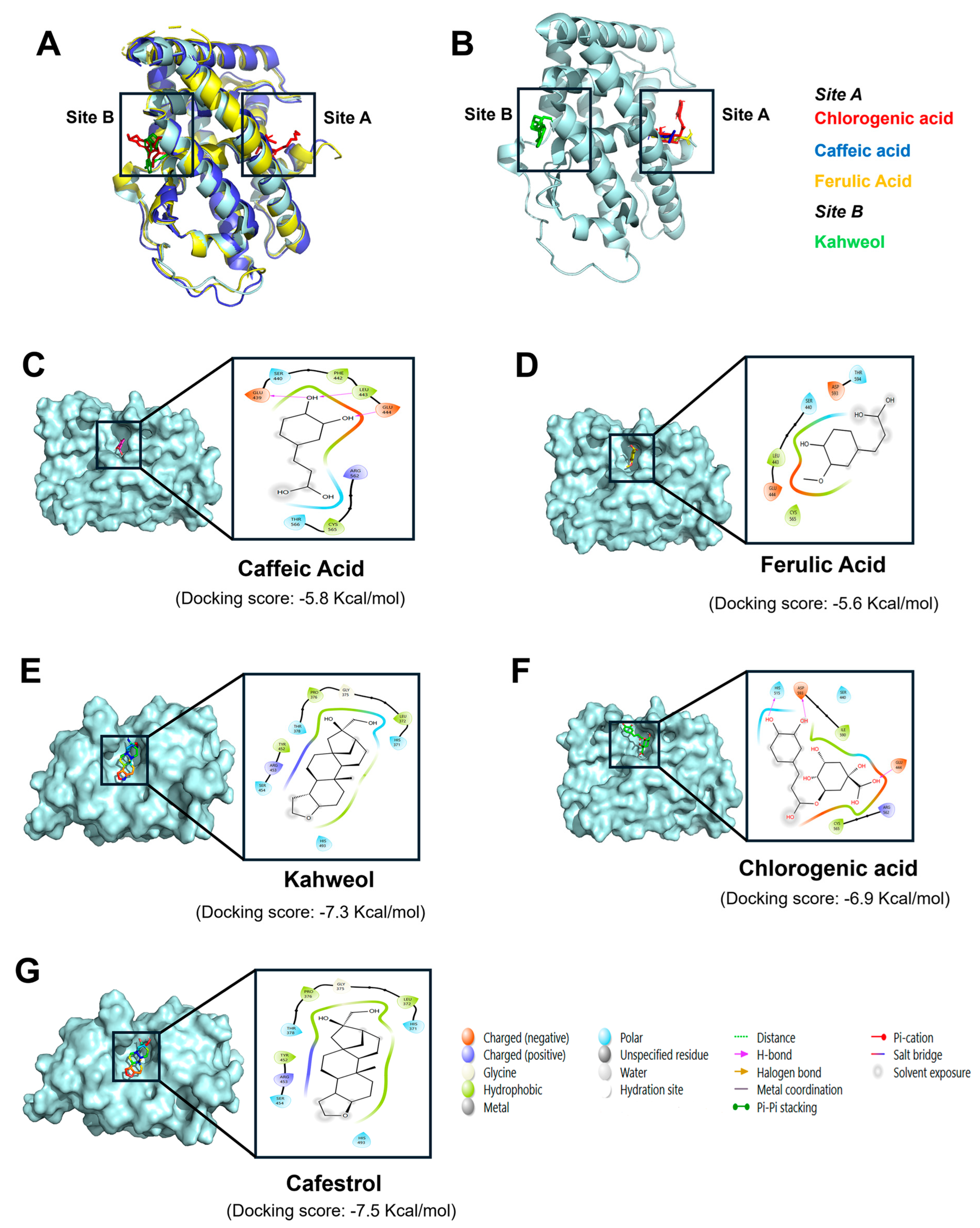
Recently, however, results from combination studies and cell experiments at Texas A&M University have raised the possibility that coffee compounds may contribute to health improvement by binding to a receptor called NR4A1. NR4A1 is a protein that regulates gene activity in response to biological stress and other stimuli.
"Coffee is well known to be beneficial for health," explains biochemist Steven Safe. "What we have discovered is that some of these effects may be related to the way coffee compounds interact with receptors involved in protecting the body from stress-induced damage."

Coffee being poured into a cup
Coffee is one of the most consumed beverages in the world. (Daniel Haug/Moment/Getty Images)
NR4A1 is known as a "nutrient sensor" that responds to dietary intake by regulating various processes related to inflammation, metabolism, and tissue repair throughout the body.
Additionally, previous studies have revealed that NR4A1 expression in humans and mice decreases with age, which may increase susceptibility to disease.
"When almost any tissue is damaged, NR4A1 responds to reduce the damage," says Safe. "Without this receptor, the damage becomes more severe."
In this study, researchers exposed various cell types to coffee and individual coffee compounds. These cell types included human cancer cell lines and macrophages (white blood cells) derived from house mice (Mus musculus).
The results showed that some coffee compounds bind to NR4A1 and inhibit the cell growth of cancer cell lines. The opposite was also confirmed. These compounds showed no effect in cells from which NR4A1 was removed.
Some coffee compounds have been shown to suppress inflammatory responses regulated by white blood cells.
Surprisingly, while caffeine is commonly considered the most important component, it has been revealed that it is not the primary cause of coffee's health benefits through this specific pathway.
"Caffeine binds to receptors, but it does not play a major role in our model," says Dr. Safe. "Polyhydroxy compounds and polyphenol compounds are much more active."
While this study reported the effects of various coffee compounds, including chlorogenic acid and caffeic acid, on NR4A1, coffee is a very complex beverage containing over 1,000 chemical components.
Cellular research is useful for elucidating molecular pathways, but it has limitations regarding how these compounds function in the human body.
"There is still a lot of work to be done," says Dr. Safe. "We have found a link, but we need to better understand how significant that link is."
In addition, coffee compounds have been shown to exert health effects in a variety of other ways, including directly inhibiting enzymes, mediating immune processes, and altering the ever-important gut microbiota.
These mechanisms combine to provide coffee drinkers with health benefits similar to those seen in vegetarians and “blue zone” groups, despite coffee being only part of a total diet.
While individual responses will always vary, the researchers say their work does not change current recommendations for coffee consumption.
But since NR4A1 is implicated in a wide range of disorders and aging-related processes, this presents an interesting direction for future therapies. Accordingly, the researchers are now exploring how synthetic NR4A1-modifying compounds could be used to combat cancer and other common diseases.
Related: Caffeine alters cell division that could slow aging, scientists find
It's worth noting that there are numerous compounds in coffee, fruits, and vegetables that may (or may not) have beneficial effects, and that we can only get by eating a healthy diet.
Unfortunately, this may not help answer the classic question that countless people debate daily: "Should I brew another cup?"



0 Comments