
According to a key UN assessment report on Tuesday, populations of migratory freshwater fish, essential for river health and the livelihoods of millions, are rapidly declining and are on the brink of collapse.
Habitat destruction, overfishing, and water pollution in the region stretching from the Amazon to the Danube are threatening the survival of hundreds of freshwater fish species that undertake the epic journey along the world's major rivers, a journey that largely goes unnoticed by humans.
The report, released at the opening ceremony of the 15th Conference of Parties on Migratory Species in Brazil, stated that freshwater fish face various threats and are "one of the most critically endangered vertebrates."
The Mekong giant catfish, European eel, and various sturgeon species are representative examples of species whose populations have plummeted in recent decades due to human activities such as dam construction and caviar harvesting.
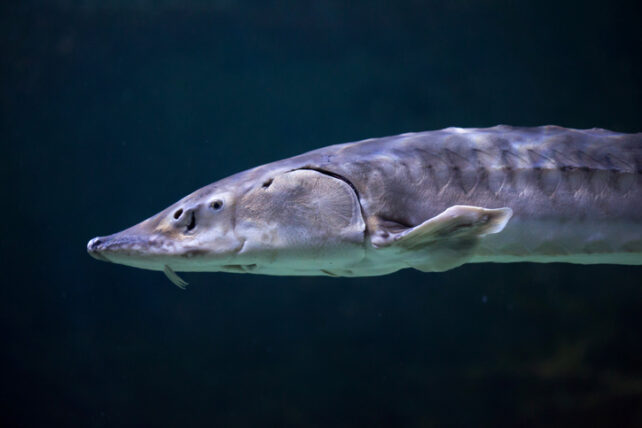
Some species, including the Chinese sturgeon, have already been declared extinct, while others rely virtually on captive breeding and reintroduction to maintain wild populations.
According to the World Wildlife Fund (WWF), the populations of migratory freshwater fish have declined by approximately 81% since 1970.
These fish are an important source of protein for humans and animals worldwide, and they require seamless migration routes to move across borders between spawning grounds and feeding habitats.
Therefore, international cooperation is essential to prevent their decline.
A report by the Convention on the Conservation of Migratory Wildlife (CMS) identified approximately 350 migratory fish species that could receive stronger protection within an international framework.
Salmon, eels, lampreys, and others are scheduled to be discussed at a conference held in Campo Verde from March 23 to 29. The majority of these are found in Asia, followed by South America and Europe.



0 Comments