
While cruise travel is promoted as a 'floating vacation,' it is also a useful resource for understanding public health.
A cruise ship is a place where many people live, eat, rest, and move around in the same space for several days, with these spaces closely interconnected.
This structure demonstrates how easily diseases can spread when people are densely packed in a single, connected environment.
Think of a cruise ship as a temporary city on the sea.
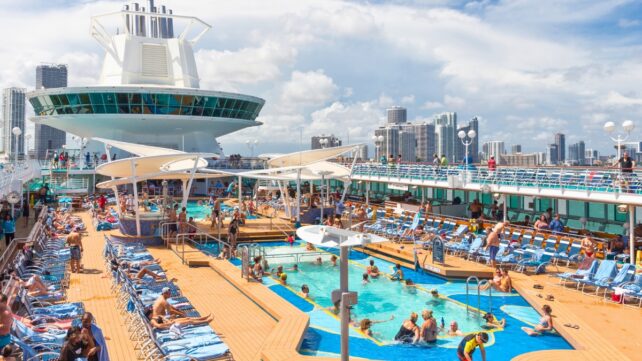
Cruise ships are equipped with a variety of facilities, including restaurants, theaters, elevators, cabins, kitchens, water supply systems, and indoor gathering spaces. While these amenities are certainly convenient, they also mean that if an infection occurs, it can spread throughout the entire ship in a way that is difficult to contain.
The Diamond Princess outbreak is likely the most well-known example. During the COVID-19 pandemic in 2020, 619 passengers and crew members tested positive.
Researchers have revealed that the ship's environment facilitated the spread of the novel coronavirus. Research modeling showed that while public health measures such as isolation and quarantine prevented more cases, the spread could have been further limited had a faster response been implemented.
Norovirus (also known as the vomiting virus) is the infectious disease most closely associated with cruise ships.
A review of existing studies revealed 127 reported cases of norovirus outbreaks on cruise ships, most of which were linked to contaminated food, contaminated surfaces, and person-to-person transmission.
A recent report published in the United States also demonstrated that norovirus can spread very rapidly between people on cruise ships. For this reason, ships such as the Celebrity Mercury, Explorer of the Seas, and Carnival Triumph are frequently mentioned in reports of cluster infections. It is not that these ships had anything particularly unique about them; it is simply that the environment of communal dining, close contact, and frequent use of shared spaces caused the infection to spread rapidly.
Food service plays a significant role in this risk. Buffet-style dining, the use of communal utensils, and many people touching the same surfaces make it easier for gastrointestinal pathogens to spread.

If someone is infected but does not yet feel sick, they may still contaminate food or surfaces before they realise they are unwell.
The ship's design adds to the problem. People spend time together in dining rooms, bars, lifts, corridors, theatres and spa areas.
Crew members also live and work in the same environment, often in shared accommodation, so illness can move through the ship from passenger to passenger or between passengers and crew.
Ventilation also plays a crucial role. Cruise ships are not closed boxes, but they do rely heavily on indoor spaces where people spend long periods together.
Studies into cruise ship air quality have shown that illness can spread more easily in crowded, enclosed spaces, like cabins, restaurants and entertainment venues, if the ventilation system is not up to scratch.
Things like adequate fresh air circulation, specialist filters and air-purifying technology all play a role in keeping passengers safe.
Legionnaires' disease (a serious lung disease caused by bacteria) shows a different kind of risk. It is not usually spread directly from one person to another. Instead, people can get infected by breathing in tiny droplets from contaminated water systems, hot tubs or showers.
Well-known outbreaks among cruise passengers have been linked to whirlpool spas, and according to a recent report by the U.S. Centers for Disease Control and Prevention (CDC), other cruise-related Legionellosis outbreaks linked to the ship's water supply system have also been reported.
Age is also a significant factor.
Cruise travel is particularly popular among the elderly, and since many passengers suffer from chronic conditions, infections can be more severe. If gastroenteritis develops during a cruise, it can lead to dehydration, and respiratory infections can progress to pneumonia or require hospitalization.
While cruise ships do have medical facilities, their scale is limited compared to land-based hospitals. Cruise ships are designed for first aid, basic care, and short-term treatment, not for managing large-scale, rapidly spreading outbreaks.
Therefore, health management during a cruise depends heavily on early reporting, rapid isolation, and thorough disinfection.
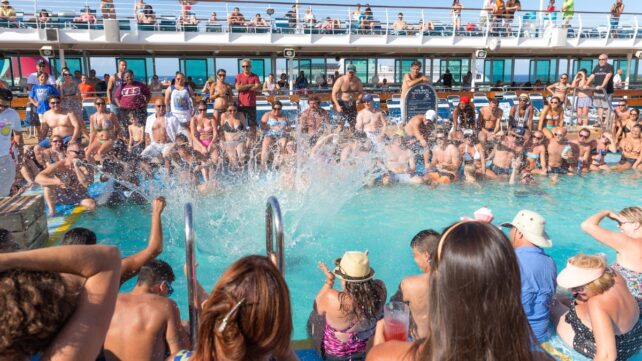
Other infections such as respiratory viruses, including influenza, can spread in the same crowded indoor settings, and stomach bugs can spread through food, hands and shared surfaces.
COVID and flu exploit enclosed air and crowds. Norovirus loves buffets and surfaces. Legionnaires' targets water systems, which ships can't easily sterilise. Hantavirus (a severe respiratory illness spread by rodents) outbreaks on ships are rare.
However, as recent news of the deaths on the MV Hondius attests, germs in close quarters find it much easier to spread.
How to limit your risk
As an epidemiologist, I have seen many outbreaks in hospitals, schools and even flights.
For travellers, the best protection starts before boarding. It is sensible to check whether the cruise line has clear illness reporting, cleaning and isolation policies.
Make sure your routine vaccines are up to date. And for older adults, pregnant women and anyone with health problems, consult your GP before travelling.
Also, ensure your travel insurance covers illness-related disruptions.



0 Comments